Why Men Over 50 Gain Belly Fat and Lose Energy (And What Helped Me Feel Like Myself Again)
If stress, grief, loneliness, or simply feeling “less like yourself” has been weighing on you, I hope you’ll remember this: taking care of your emotional health is every bit as important as taking care of your physical health. Sometimes the first step toward getting your life back isn’t another diet or exercise program.
Sometimes it’s talking to someone.
Why Connection Matters for Men’s Health After 50
One of the greatest blessings in my life has been a group of men who gather around a fire. We’ve been meeting for more than thirty years. We’ve laughed together, mourned together, celebrated together, and supported one another through some of life’s hardest moments.
Not every man has that, but every man needs connection.
Researchers have found that social isolation carries a mortality risk comparable to smoking fifteen cigarettes a day. That’s remarkable when you think about how much attention we give to cholesterol and blood pressure while often overlooking the importance of meaningful relationships.
Men often suffer in silence. We convince ourselves that we’ll handle things on our own. But strength doesn’t mean isolation. Real strength sometimes means telling someone you’re struggling and allowing others to walk alongside you.
Looking back, one of the first steps toward losing weight wasn’t changing what I ate.
It was deciding that I was worth taking care of again.
And that changed everything.

Walking Changed More Than My Weight
When people ask me what exercise helped me lose 50 pounds, they’re often surprised by my answer. I didn’t train for a marathon, spend hours in the gym, or follow some complicated workout plan. I simply started walking.
At first, it wasn’t really about losing weight. I needed to move again. I needed fresh air, time to think, and time away from the constant distractions of life. Without realizing it, walking became much more than exercise. It became therapy. It became stress relief. It became one of the healthiest habits I had ever developed.
Eventually, those walks turned into hikes, and those hikes led me to complete a 120-day hiking challenge. Looking back, I can see that something much bigger was happening than simply burning calories. My mood improved. My energy improved. I slept better. The weight started coming off. Most importantly, I began to feel like myself again.
I think we often underestimate the power of simple movement. We assume exercise has to be intense or complicated to be effective, but research tells us otherwise. Studies have shown that adults who regularly walk 7,000 to 8,000 steps a day have significantly lower risks of premature death than those who are inactive. Walking supports heart health, improves mood, lowers stress, and helps maintain a healthy weight.
You don’t have to punish yourself to become healthy. You simply have to move. For many men over 50, walking may be one of the most powerful forms of medicine available.
Lessons I’ve Learned from Spain and Crete
Over the years, I’ve been fortunate to spend time in Spain, Crete, and other parts of the Mediterranean. While I certainly enjoy the food, what strikes me most isn’t any particular recipe or ingredient. It’s the lifestyle.
People walk naturally throughout the day. Meals are enjoyed rather than rushed. Friends gather around tables. Families spend time together. Food is celebrated instead of feared. And life simply moves at a slower pace.
One thing I’ve noticed is that people don’t seem obsessed with dieting. They aren’t constantly counting calories or looking for the next miracle plan. They simply live. They enjoy food. They enjoy relationships. They move naturally throughout the day. They laugh, socialize, and take time to savor life.
I remember being in Crete and realizing once again that the Mediterranean Diet isn’t really a diet at all. It’s a lifestyle built around movement, connection, purpose, and enjoying simple foods. That may be one reason it has stood the test of time.
After teaching this way of eating for decades and seeing the results in thousands of people, I’ve become convinced that what many people need isn’t another diet. They need a better relationship with food and, perhaps even more importantly, a better relationship with themselves.
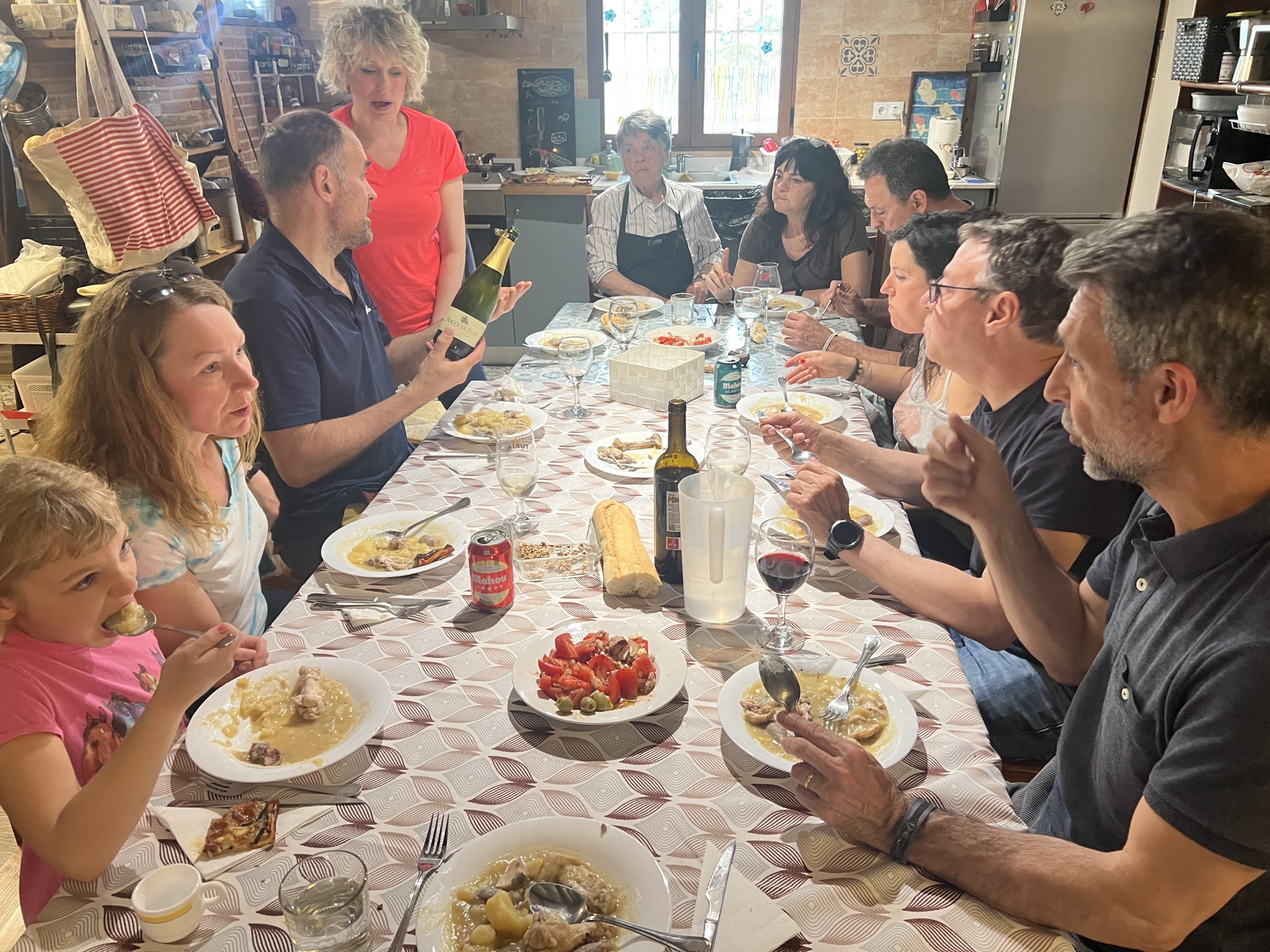
My wife and daughter eating with a family in Spain
Why the Mediterranean Diet Works for Men Over 50
People often ask me if the Mediterranean Diet works for weight loss, and my answer is always yes. But not because it’s magical.
The Mediterranean Diet works because it’s sustainable.
Most diets are built around restriction. They focus on what you can’t eat. They require tremendous amounts of willpower, and eventually people become tired of feeling deprived. The Mediterranean lifestyle takes a completely different approach.
Instead of focusing on scarcity, it focuses on abundance. Abundant vegetables. Abundant herbs and spices. Abundant healthy fats. Abundant flavor. Abundant movement. Abundant connection. And perhaps most importantly, abundant enjoyment.
That’s one reason I’ve been able to maintain my weight loss for more than a decade. I don’t feel like I’m on a diet. I simply eat in a way that I genuinely enjoy. And when you enjoy something, you’re much more likely to continue doing it.
After spending my career teaching the Mediterranean lifestyle, I’ve come to believe that sustainability is far more important than perfection. The best eating plan isn’t the one that produces quick results. It’s the one that you can happily maintain for the rest of your life.
Foods That Help Support Healthy Weight
Another question I get often is “what foods help reduce belly fat”. Many people wish there was one magical food that melted fat away, but that’s not how it works. Instead, there are foods that help regulate appetite, reduce inflammation, and make healthy eating easier.
Extra virgin olive oil is one of those foods. Many people are surprised when I tell them that one of the stars of the Mediterranean Diet is fat. Olive oil is rich in heart-healthy monounsaturated fats and contains powerful polyphenols. Healthy fats also help make meals satisfying, which is important because hunger is the enemy of sustainable weight loss. Traditional Cretans often say, “We have olive oil in our veins.” After visiting Crete, I understand exactly what they mean.
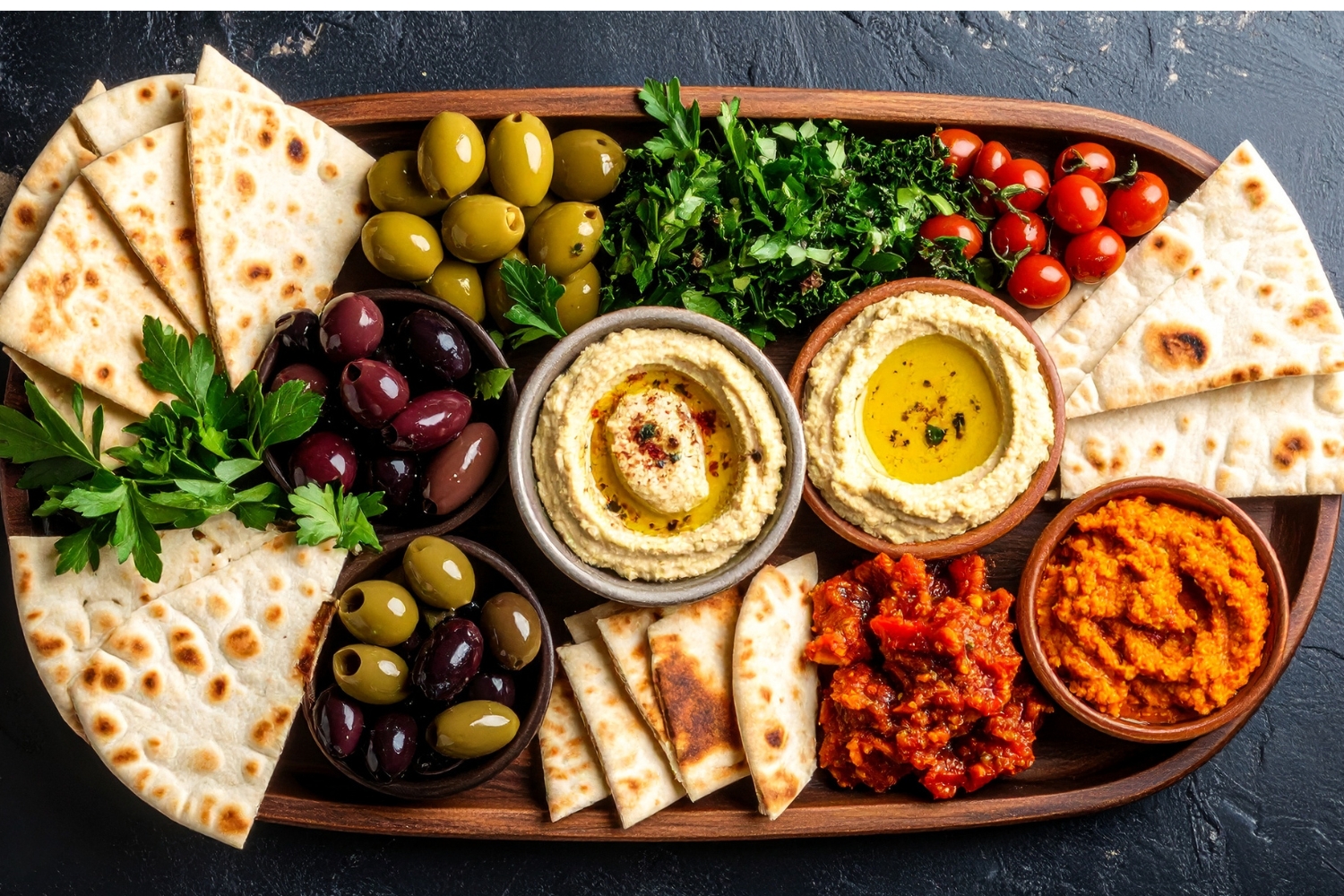
Vegetables are another cornerstone of the Mediterranean lifestyle. They provide fiber, vitamins, minerals, and antioxidants while adding tremendous volume to meals. One reason vegetables are so helpful for weight management is that they allow us to eat satisfying portions without excessive calories. I often tell people to focus on adding foods rather than restricting them. Eat more vegetables, not less food.
Beans and lentils may be some of the most underrated foods on the planet. They’re rich in fiber, packed with nutrients, affordable, and incredibly filling. In many parts of the Mediterranean, beans have been staples for generations.
Fish and seafood provide high-quality protein and omega-3 fats that support healthy aging and heart health. Whole grains such as farro, barley, and brown rice provide steady energy and fiber that helps control hunger. Traditional Mediterranean diets also include moderate amounts of yogurt and cheese, which add protein and flavor while making meals more enjoyable.
Healthy eating shouldn’t feel like punishment. It should feel like nourishment.
Olive Oil and the PREDIMED Study
One of the landmark studies supporting the Mediterranean Diet is the PREDIMED study. Researchers followed thousands of people at high risk for heart disease and found that those eating a Mediterranean Diet supplemented with extra virgin olive oil or nuts experienced significantly fewer cardiovascular events.
What I find fascinating is that the diet wasn’t low-fat, and participants weren’t asked to count calories. Instead, they focused on eating real food.
That’s one reason I’ve spent much of my career teaching this lifestyle. I’ve seen it work not only in research studies, but in real life, including my own.
The Five Biggest Changes That Helped Me Lose 50 Pounds
People sometimes ask me what finally worked, expecting me to tell them about a particular diet or exercise program. But the truth is, there wasn’t one thing. There were several small changes, and over time those changes added up to something much bigger.
The first and most important change was taking care of my emotional health. Attending grief workshops and processing emotions I’d buried for years changed my life. For a long time, I thought food was my problem. Eventually, I realized grief was my problem. Food was simply how it showed up. Mental health and physical health are inseparable, and I think many men ignore emotional health until their bodies force them to pay attention.
The second change was reconnecting with other men. I’ve been blessed to have a group of men who gather around a fire. For more than thirty years we’ve shared life together. We’ve laughed together, cried together, and supported one another. Those friendships have been one of the greatest gifts I’ve ever received.
The third change was walking every day. Walking improved my mood, reduced stress, helped me lose weight, and reminded me how much I love being outdoors. Walking became medicine.
The fourth change was returning to the Mediterranean Diet. I stopped trying to diet and returned to a way of eating that I genuinely enjoyed. It never felt restrictive. It felt like coming home.
The fifth change was building muscle again. As I grew older, I realized that healthy aging isn’t just about losing weight. It’s about staying strong.
One more important piece: Purpose Matters More Than We Realize
As men age, many begin asking questions they never had time to ask when they were younger. Who am I now? What’s next? What gives my life meaning?
Children grow up. Careers change. Parents pass away. Retirement gets closer. And many men discover they’ve spent decades taking care of everyone else without ever stopping to ask themselves what they truly want from life.
I’ve noticed this in conversations with friends and in the thousands of people I’ve had the privilege to work with over the years. Most men don’t simply want to lose weight. They want to feel alive again. They want to wake up with energy. They want to travel, hike mountains, spend time with family, and enjoy the years ahead.
Researchers studying longevity have found that people with a strong sense of purpose tend to live longer and experience less disability. One of the lessons I’ve learned from studying the Mediterranean lifestyle and the Blue Zones is that purpose matters. Having a reason to get up in the morning matters.