Top Five Weight Loss Tips That Actually Work
Top Five Weight Loss Tips That Actually Work
Achieving sustainable weight loss isn’t about fads, starvation diets, or punishing workouts. It’s about making smarter, consistent lifestyle changes that support your metabolism, energy levels, and overall health. In this article, we share the top five science-backed weight loss tips that not only help you shed unwanted fat but also keep it off for good.
1. Prioritize Protein in Every Meal
Protein is the cornerstone of effective weight loss. It helps reduce cravings, boosts metabolism, and preserves lean muscle mass during fat loss.
Why Protein is Crucial for Weight Loss
- Reduces Appetite and Cravings: High-protein meals promote feelings of fullness, lowering overall caloric intake.
- Boosts Thermogenesis: The body burns more calories digesting protein than carbs or fats.
- Preserves Muscle Mass: During calorie restriction, protein helps maintain muscle, which keeps your metabolism from slowing down.
How to Add More Protein to Your Diet
- Include lean meats like chicken, turkey, and fish.
- Add eggs or egg whites to your breakfast.
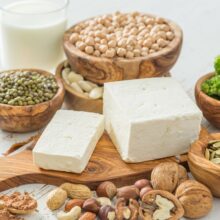
- Use plant-based proteins such as lentils, beans, chickpeas, and tofu.
- Supplement with protein shakes if necessary.
Aim for at least 0.8–1 gram of protein per pound of body weight to optimize fat loss while supporting muscle.
2. Master Your Caloric Intake Without Obsessing
You don’t need to meticulously track every bite, but understanding your daily caloric needs is key to successful weight loss.
The Caloric Deficit Principle
To lose fat, you must consume fewer calories than your body expends. This doesn’t mean extreme restriction—it means creating a moderate, sustainable deficit.
How to Maintain a Healthy Deficit
- Use tools like TDEE (Total Daily Energy Expenditure) calculators to find your maintenance level.
- Subtract 300–500 calories per day for slow, sustainable weight loss.
- Avoid going below 1200 calories for women and 1500 calories for men unless under medical supervision.
Portion Control & Mindful Eating Tips
- Use smaller plates to naturally reduce portions.
- Eat slowly and chew thoroughly to allow your brain to register fullness.
- Avoid distracted eating—turn off the TV and be present with your meal.
3. Increase Daily NEAT (Non-Exercise Activity Thermogenesis)
You don’t need the gym to burn calories. NEAT refers to all the energy you expend outside structured workouts, and it’s a game changer for long-term fat loss.
Simple Ways to Boost NEAT
- Take walking breaks during work hours.
- Choose stairs over elevators.
- Park further away and walk more.
- Do household chores, gardening, or any light physical activity consistently.
Even small movements like fidgeting, pacing during calls, or standing while working can lead to hundreds of additional calories burned daily.
4. Optimize Sleep and Stress Management
Sleep and stress are often overlooked in weight loss, but they directly impact hormones that regulate hunger and fat storage.
Why Sleep Matters
Poor sleep elevates ghrelin (the hunger hormone) and reduces leptin (the satiety hormone), increasing the likelihood of overeating and sugar cravings.
How to Improve Sleep Quality
- Aim for 7–9 hours of uninterrupted sleep.
- Create a wind-down routine (e.g., reading, meditation, avoiding screens).
- Keep your room dark, cool, and quiet.
The Cortisol Connection
Chronic stress raises cortisol, which promotes fat storage, especially around the midsection.
Effective Stress Reduction Techniques
- Practice deep breathing or progressive muscle relaxation.
- Engage in hobbies or creative activities.
- Take short daily walks in nature.
- Try journaling, meditation, or yoga.
5. Ditch Sugar and Refined Carbs for Good
Highly processed carbohydrates spike insulin and lead to fat gain, energy crashes, and increased cravings. Eliminating them is one of the fastest ways to reduce body fat and improve health.
Hidden Sources of Sugar and Refined Carbs
- Sugary drinks, juices, and flavored coffees
- White bread, pastries, and cereals
- Snack bars marketed as “healthy”
- Store-bought sauces and condiments
What to Eat Instead
- Whole grains like quinoa, oats, and brown rice
- Fibrous vegetables like broccoli, spinach, and kale
- Healthy fats from avocados, olive oil, and nuts
- Low-GI fruits like berries, apples, and pears
Cutting back on sugar stabilizes blood sugar, reduces insulin resistance, and drastically improves fat-burning potential.
Bonus Tip: Stay Consistent, Not Perfect
Consistency always wins over perfection. Many people fail not because their plan is flawed, but because they give up after a single “bad” day.
How to Stay on Track Long-Term
- Focus on progress, not perfection.
- Keep a weekly journal of habits and results.
- Set realistic short-term goals (e.g., 1-2 lbs lost per week).
- Surround yourself with supportive people or communities.
Weight Loss Is a Lifestyle, Not a Temporary Fix
The most successful weight loss strategies are not about quick fixes or harsh restrictions. They’re about forming sustainable habits—eating whole foods, moving more, managing stress, and getting quality rest. These five tips are your foundation for lifelong fat loss and improved vitality.