Whether you scramble, hard-boil or coddle them, eggs are a great way to start the day if you’re trying to take off extra pounds. They’re a low-calorie food and packed with protein, which takes longer to digest, leaving you feeling satisfied and less likely to overeat at your next meal. A study published in the International Journal of Environmental Research and Public Health found that overweight or obese men and women who ate a breakfast of eggs and toast over those who ate cereal with milk and orange juice felt less hungry and ate significantly less at lunch. Those concerned about their cholesterol may want to avoid or limit eating egg yolks and enjoy egg whites instead. For example, try an omelet with three egg whites and just one egg yolk.
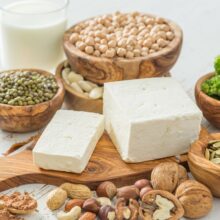
Lentils, chickpeas, beans and peas are all pulses, the edible seeds of legume plants. Eating about one serving a day of these nutritionally dense seeds promotes a feeling of satiety, a term researchers use when they mean a person has eaten enough to feel full. This satiety may lead to weight loss and better weight management. In a University of Toronto study, participants lost an average of three-fourths of a pound over six weeks by simply adding less than a cup of these seeds to their regular diet. Even more important, this modest amount seemed to prevent them from regaining it.
Add sautéed mushrooms to your scrambled eggs in the morning for a great way to start the day. “Mushrooms can be an important part of a diet that helps with weight loss,” says Andrea Glenn, assistant professor in the Department of Nutrition and Food Studies at New York University. Highly nutritious mushrooms contribute a savory flavor called umami to food without much in the way of fat or calories, so they may help people feel full sooner, Glenn notes.
Oatmeal, a soothing, old-fashioned breakfast standby, doesn’t look like much, but it packs a mighty punch. People who eat cooked oatmeal regularly have a lower risk of becoming overweight. A cup of cooked oatmeal contains about 160 calories — not much — and nearly 4 grams of a soluble fiber called beta-glucan, which helps you feel full and reduces the urge to overeat. To add pizzazz to your morning bowl of oatmeal, dress it up with apple slices, fresh berries and chopped nuts. Be cautious about “instant” oatmeal, which tends to be processed and may contain less fiber and added sugar and sodium.
Contrary to what you might expect, studies associate consuming nuts of all kinds with less weight gain. A study in the journal Nutrients determined that eating more nuts may help prevent long-term weight gain. In particular, Brazil nuts, among the best nuts for weight loss, contain the mineral selenium, which may improve the health of your thyroid, which regulates metabolism. However, nuts are packed with calories, so portion control is key; aim for about a handful.
French fries and potato chips probably aren’t at the top of most diet plans, but when prepared in a healthy way, potatoes may support weight loss because they have relatively few calories but can still fill you up. In 2022, researchers at the Pennington Biomedical Research Center found that a diet built around beans or boiled potatoes reduced body weight over eight weeks in adults with insulin resistance. People on the potato-based diet lost about 5.6 percent of their body weight, with no significant difference compares with the bean-based diet. This study suggests potatoes can fit into a weight-loss pattern when they’re part of a filling, lower-energy-density diet, not fried or loaded with toppings.
Arugula, romaine lettuce, spinach, kale, spring mix, and other leafy greens are an excellent way to pack in nutrients without adding many calories. Even better for weight loss, they’re high in fiber, which helps keep you feeling full longer by slowing digestion, according to research from Harvard.
To aid in your weight-loss journey, keep fruits, vegetables and other healthy foods you enjoy on hand for easy snacks and meals, says Wagner. To avoid spoilage, consider stocking up on frozen fruits and vegetables.
Canned fruits and vegetables are another good shelf-stable option, as long as they’re free of added sugar or salt. Tip: Rinsing canned foods before using them can help wash away excess sodium and preservatives.
“I love a hearty salad that includes a green vegetable, a whole grain or starchy vegetable, beans, lentils or nuts, and healthy fats,” Wagner adds. “For example, a salad with finely chopped kale, roasted sweet potatoes, toasted walnuts, goat cheese and a vinaigrette makes a delicious combination. For a complete meal, you could serve it with a salmon fillet.”
Soups and stews are another great way to assemble a balanced meal — plus, they’re budget-friendly if you use leftovers. Think chili with lean ground beef or turkey, beans, and fresh or canned produce paired with a whole grain.
For personalized guidance, consider asking your doctor or a dietitian for nutrition counseling. Medicare even covers medical nutrition therapy for patients with diabetes or kidney disease.
“Listening to your body’s hunger and fullness cues is helpful so that you’re eating when hungry and stopping when full,” says Wagner.
For general tips, Wagner suggests using MyPlate.gov as a resource for understanding food groups and serving sizes tailored to different calorie needs.
“Generally, I recommend making half your plate fruits and vegetables, a quarter lean protein, and a quarter starch to create a filling meal without going overboard on calories,” she adds.
If you’re trying to lose weight, beware of the hidden drawbacks to these supposed “health foods.”Here are four to avoid:
Although yogurt is a healthy addition to a weight-loss diet, flavored yogurt is often boosted with added sugar, so it’s important to check the nutritional labels.
Beware the toppings on prepackaged salads. Dressings, toppings and processed meats can add hundreds of unwanted calories, plus extra sugar and sodium.
These drinks, marketed as healthy ways to quench your thirst or hydrate after a workout, often contain added flavors and non-nutritional sweeteners.
Whole grains provide a ton of health benefits. They contain all parts of the grain, including fiber, B vitamins and essential fatty acids. But the grains in some “multi-grain” breads have actually been refined, depriving them of fiber, which takes longer for the bread to fill you up . Read the label and look for the word “whole” before the grain listed.
In addition, stay away from: