Fast Weight Loss: What Works, What Doesn’t, and How to Do It Safely
Fast Weight Loss: What Works, What Doesn’t, and How to Do It Safely
In today’s fast-paced world, many people are looking for quick ways to lose weight—whether it’s for an upcoming event, to improve health, or simply to feel more confident. But with so many diets, trends, and “miracle” products out there, it’s easy to get confused about what’s actually effective and safe.
This guide dives into fast weight loss—what it means, how it works, potential risks, and how to approach it in a way that’s both effective and healthy.
What Is Fast Weight Loss?
Fast weight loss typically refers to losing more than 1–2 pounds (0.5–1 kg) per week, which is the standard rate recommended by most health experts. Some crash diets claim you can lose 10–20 pounds in a week, but these often rely on extreme calorie restriction, water loss, or muscle depletion—not fat loss.
Is It Possible?
Yes. It’s possible to lose weight quickly, especially if you’re overweight or obese, and make significant changes to your eating habits and lifestyle. However, sustainability and safety are crucial.
Common Fast Weight Loss Methods
Here are some of the most popular approaches to quick weight loss, with a breakdown of how they work and their pros and cons.
1. Very Low-Calorie Diets (VLCDs)
These diets involve eating 800 calories or less per day and are typically supervised by medical professionals.
- Pros: Rapid weight loss (up to 3–5 pounds per week)
- Cons: Risk of nutrient deficiencies, fatigue, gallstones, muscle loss
- Best for: Short-term medical use under supervision
2. Low-Carb or Ketogenic Diets
These focus on drastically reducing carbohydrate intake and increasing fats and proteins.
- Pros: Fast initial weight loss, reduced appetite, improved blood sugar
- Cons: May be hard to sustain, possible side effects (keto flu, constipation)
- Best for: People who enjoy higher-fat foods and can commit to the lifestyle
3. Intermittent Fasting (IF)
Eating patterns like 16:8 (fasting 16 hours, eating in 8) or OMAD (one meal a day).
- Pros: Promotes fat burning, simplifies meal planning, may improve insulin sensitivity
- Cons: Can cause fatigue, headaches, or overeating during eating windows
- Best for: Those with discipline and flexible schedules
4. Meal Replacement Plans
Using shakes, bars, or pre-made meals to replace 1–2 meals a day.
- Pros: Controlled portions, convenient, easy to follow
- Cons: Can feel restrictive, expensive, not always nutritionally complete
- Best for: Busy individuals or those who prefer structure
5. Detoxes & Cleanses
Juice fasts or detox teas that claim to eliminate toxins and shed pounds.
- Pros: Quick water weight loss
- Cons: Nutrient-deficient, not sustainable, mostly water/muscle loss
- Best for: Short-term jumpstart, not long-term weight loss
The Science Behind Weight Loss
To lose weight, your body must be in a calorie deficit, meaning you burn more calories than you consume.
Key Components:
- Calorie Intake: Eat fewer calories than your body burns.
- Macronutrient Balance: Adequate protein prevents muscle loss.
- Physical Activity: Boosts calorie burn and preserves lean muscle.
- Hydration & Sleep: Crucial for metabolism and appetite control.
Risks of Losing Weight Too Fast
Rapid weight loss can be appealing, but it often comes with side effects and long-term issues:
- Muscle loss: Fast weight loss often means losing muscle along with fat.
- Nutrient deficiencies: Restrictive diets can lead to shortages in iron, vitamin B12, calcium, etc.
- Gallstones: Losing weight quickly increases the risk.
- Metabolic slowdown: Your body may adapt by lowering its calorie-burning rate.
- Weight regain: 80–90% of people who lose weight quickly regain it within a year if habits don’t change.
How to Lose Weight Fast — Safely
If you want to shed pounds quickly, here’s how to do it without harming your body:
1. Cut Refined Carbs and Sugar
Eliminating or minimizing white bread, pasta, sugary drinks, and desserts can lead to rapid water weight loss and reduced bloating.
2. Increase Protein Intake
Eating 100–150g of protein per day can help maintain muscle mass, reduce hunger, and boost metabolism.
3. Drink More Water
Drinking water before meals can help reduce calorie intake and promote satiety. Aim for at least 8–10 glasses daily.
4. Move More Throughout the Day
Incorporate 30–60 minutes of daily exercise, including:
- Strength training (3x/week)
- HIIT (High-Intensity Interval Training)
- Walking or cardio
5. Prioritize Sleep
Lack of sleep affects hunger hormones like ghrelin and leptin, increasing appetite. Aim for 7–9 hours per night.
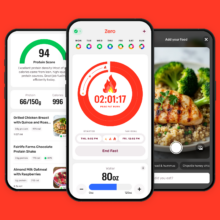
6. Track Your Progress
Use apps to log meals, steps, and workouts. Tracking keeps you accountable and shows where improvements are needed.
Sample Fast Weight Loss Plan (1 Week)
Note: Always consult a doctor before starting a weight loss plan, especially one involving major dietary changes.
| Day | Breakfast | Lunch | Dinner | Snack | Activity |
|---|---|---|---|---|---|
| Mon | Greek yogurt + berries | Grilled chicken salad | Steamed fish + broccoli | Handful of almonds | 45-min walk |
| Tue | Scrambled eggs + spinach | Tuna wrap | Stir-fried tofu + veggies | Apple + peanut butter | 30-min strength |
| Wed | Protein smoothie | Quinoa bowl + veggies | Turkey chili | Greek yogurt | HIIT workout |
| Thu | Chia pudding | Lentil soup + salad | Grilled chicken + asparagus | Dark chocolate square | 60-min walk |
| Fri | Overnight oats | Egg white omelet | Salmon + quinoa | Celery + hummus | Rest day |
| Sat | Omelet with veggies | Chicken stir-fry | Zucchini noodles + sauce | Mixed nuts | Strength + cardio |
| Sun | Smoothie bowl | Leftovers | Sheet-pan veggies + protein | Fruit salad | Yoga/stretch |
Can You Keep the Weight Off?
That depends on whether you transition into healthy, sustainable habits. Fast weight loss might give you momentum, but long-term weight loss requires:
- Consistent habits
- Mindful eating
- Emotional awareness
- Gradual reintroduction of calories (reverse dieting, if needed)
Final Thoughts
Fast weight loss is possible—and in some cases necessary—but it’s important to focus on fat loss, not just scale numbers. Extreme diets may work in the short term but often backfire long-term.
The key is to combine short-term intensity with long-term sustainability. Choose a method that fits your lifestyle, listen to your body, and stay consistent. Weight loss isn’t just about the number—it’s about building a healthier, stronger version of yourself.