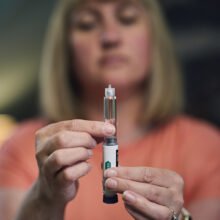
Many new sites selling weight-loss drugs; Authorities drowning in peptides from China
The number of online shops illegally selling weight-loss products is increasing at an alarming rate. An RTL Nieuws investigation discovered 203 such illegal pharmacies, over half of which are less than six months old. According to BNR, these sites are mainly supplied from China – one of the world’s largest producers of peptides. Dutch Customs and the Health and Youth Care Inspectorate are struggling to address the increasing import of counterfeit medication from China.
According to RTL, none of the 203 sites examined appear on the official register of authorized online pharmacies, nor do they possess the mandatory certification. And yet it is remarkably easy to buy weight loss drugs from them, without a prescription or the intervention of a doctor or actual pharmacist.
The sites sell medicines like tirzepatide and semaglutide, which are specifically intended for people with diabetes. Most also sell retatrutide, an Eli Lily weight loss drug that is still in its testing phase and hasn’t been approved anywhere.
BNR ordered a single dose of retatrutide from a Chinese supplier to see how the suppliers work. The broadcaster was presented with a selection of nearly 50 products, available in various dosages. Bulk buying is also an option. For orders exceeding $5,000, the seller offers a 20 percent discount and free shipping. The seller also provides a form of delivery guarantee: if the dosage is wrong or the shipment is intercepted, they will send a replacement product at no extra cost.
Customs told BNR that they are strictly enforcing regulations regarding the “growing trade” in peptides. “Up to and including September of this year, hundreds of shipments containing various types of peptides – primarily arriving via courier services – have been intercepted and stopped by customs.”
Peptides are small proteins that serve as the base of various medications. A well-known example is GLP-1 medicines like Ozempic, which suppress appetite. Peptides are not inherently dangerous, but buying unregulated medicines can be life-threatening.
Experts are deeply concerned about the increase in illegal online pharmacies. “There is an alarming number of them. It is a major societal problem,” Marloes Dankers of the Institute for Responsible Use of Medicines told RTL Nieuws.
Corine Ethlehem, a toxicologist and hospital pharmacist at Erasmus MC, called it piracy. “This is cold-blooded business, and I am very worried about people’s health. You could end up becoming extremely ill. There are already documented cases of people who have died because the containers held something entirely different—for instance, insulin.”